46. You’re not my teacher

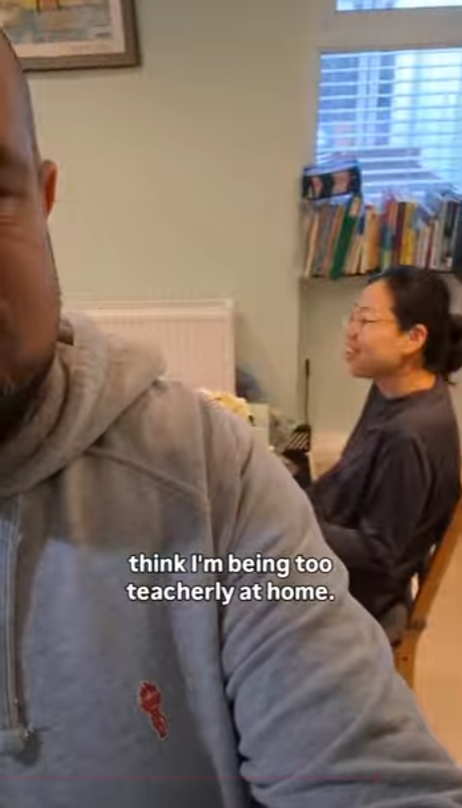
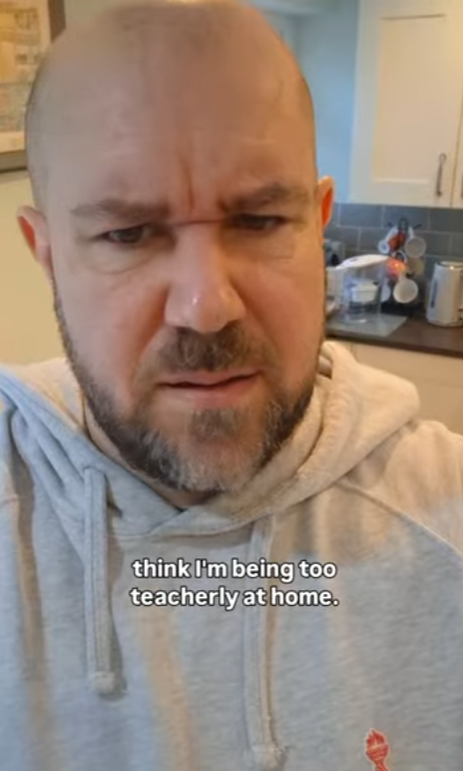
My mum says my dad always used to do it, and now my wife, my daughter, and even my parents are accusing me of doing the same thing. I suppose it might be what you’d call “teacher syndrome,” and once it’s pointed out, it’s hard to ignore.

엄마 말로는 아빠도 늘 그랬다고 한다. 그런데 이제는 아내와 딸은 물론이고 부모님까지 내가 똑같이 하고 있다고 말한다. 아마도 이걸 흔히 말하는 ‘교사 증후군’이라고 부를 수 있을 것 같다. 한번 의식하고 나니 더 잘 보이기 시작했다.

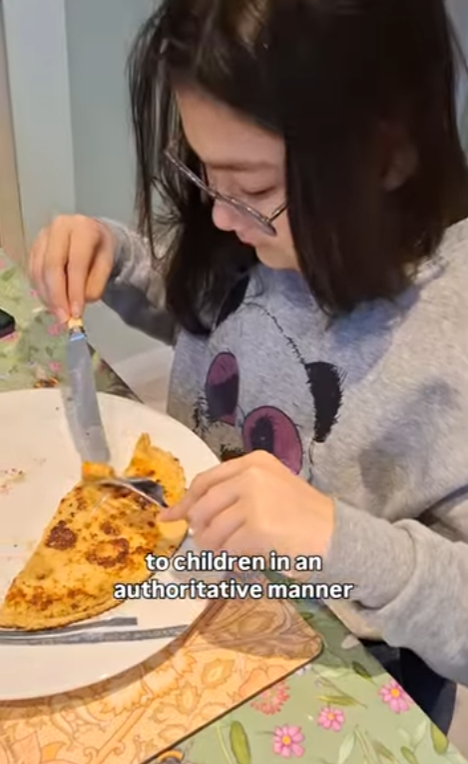
During the day, teachers spend hours speaking to children in an authoritative way. We explain expectations clearly, manage behaviour, and keep structure and order in the classroom. That way of speaking becomes second nature when you do it all day, every day.

교사는 하루 종일 아이들에게 권위 있는 말투로 말한다. 기대하는 행동을 분명히 말하고, 질서를 유지하며, 수업을 이끌어 간다. 이런 말하는 방식은 매일 반복하다 보면 자연스럽게 몸에 배게 된다.

The problem is that sometimes it’s hard to switch that voice off when you get home. Without realising it, I think I’ve been bringing that same tone into family life, and it’s been really winding everyone up.

문제는 집에 돌아와서도 그 말투를 끄기가 쉽지 않다는 점이다. 나도 모르게 교실에서 쓰던 방식으로 말하고 있었던 것 같고, 그게 가족들을 꽤나 짜증 나게 했던 모양이다.

So the big question is this: can teachers actually go home and fully change? Can we stop sounding so “teacherly” once the workday is over? I wish it were that simple, but for now, I think I might need a bit more practice leaving my teacher voice at the door.

그렇다면 중요한 질문은 이것이다. 교사는 정말 집에 가면 완전히 달라질 수 있을까? 퇴근 후에는 그 ‘교사 말투’를 멈출 수 있을까? 그렇게 간단하면 좋겠지만, 아직은 문 앞에 교사 모드를 두고 들어오는 연습이 더 필요할 것 같다.

Previous
Previous

47. What are GCSE’s?

Next
Next

45. Love Package from Korea