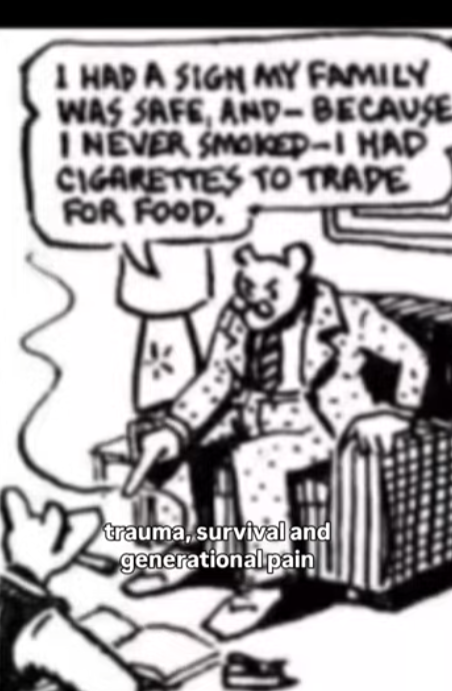
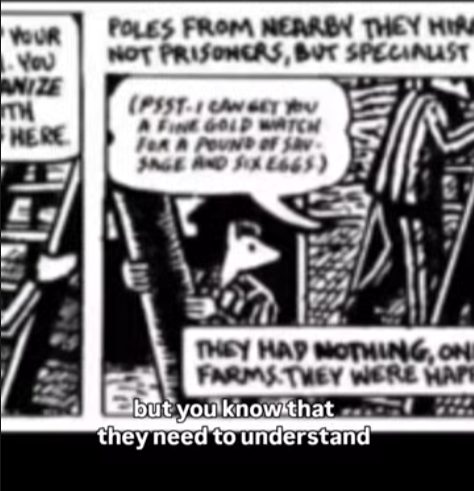
52. The Graphic Novel “Maus”

When I finished teaching Maus, I sat with the weight of it for quite a while. Teaching this graphic novel wasn’t just about analysing panels, images, or symbolism. It was about guiding students through themes of trauma, survival, and generational pain. By the final pages, the classroom felt very quiet and reflective.

『마우스』 수업을 마치고 난 뒤, 저는 한동안 그 무게감을 느끼며 앉아 있었습니다. 이 그래픽 노블을 가르치는 일은 단순히 그림 장면이나 상징을 분석하는 것이 아니었습니다. 그것은 트라우마, 생존, 그리고 세대를 넘어 이어지는 고통이라는 주제를 학생들과 함께 마주하는 과정이었습니다. 마지막 장에 이르렀을 때 교실은 매우 조용하고 깊이 생각에 잠긴 분위기였습니다.

I could see it on the students’ faces when they realised this wasn’t just history in a textbook. These were real people, real families, and real loss. Moments like that change how students see the past, and sometimes how they see the world around them today.

학생들이 이것이 단순한 교과서 속 역사가 아니라는 사실을 깨달았을 때, 그 표정에서 그 변화를 볼 수 있었습니다. 이것은 실제 사람들, 실제 가족들, 그리고 실제의 상실에 대한 이야기였습니다. 이런 순간은 학생들이 과거를 바라보는 방식, 때로는 오늘날의 세상을 바라보는 방식까지도 바꾸어 놓습니다.

As a teacher, that can be difficult. Part of you wants to protect students from sadness, but another part knows that understanding these stories matters. Learning about the past helps them recognise injustice, empathy, and the consequences of hatred.

교사로서 이런 순간은 쉽지 않습니다. 한편으로는 학생들을 슬픔으로부터 보호하고 싶지만, 다른 한편으로는 이러한 이야기를 이해하는 것이 중요하다는 사실도 알고 있습니다. 과거를 배우는 것은 학생들이 불의, 공감, 그리고 증오가 가져오는 결과를 이해하도록 돕습니다.

Maus doesn’t only teach about the The Holocaust. It teaches about memory, the lasting impact of trauma, and the cost of hatred across generations. Every time I teach it, the story stays with me long after the lesson ends.

『마우스』는 단지 홀로코스트에 대해서만 가르치는 작품이 아닙니다. 그것은 기억, 트라우마가 세대에 걸쳐 남기는 영향, 그리고 증오가 치르게 하는 대가에 대해 이야기합니다. 이 작품을 가르칠 때마다 수업이 끝난 뒤에도 그 이야기는 오랫동안 제 마음에 남습니다.

Previous
Previous

53. British Primary School Lunch Choices

Next
Next

51. Advantages of face to face teaching