57. Are you interesting in English?

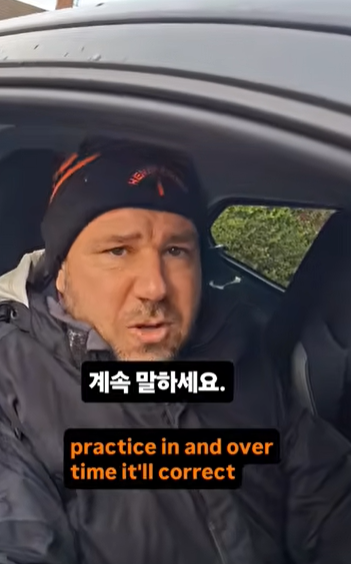
One of the most common mistakes I hear from Korean learners of English is the confusion between "interested" and "interesting". Students often ask me, "Do you interested?" or say, "I am very interesting in football." Of course, these expressions aren't quite correct, but after teaching English for seventeen years in South Korea and the last three years in England, I've come to realise that these mistakes aren't really the problem. The bigger issue is that many learners worry far too much about getting everything right before they speak.

한국인 영어 학습자들에게서 가장 자주 듣는 실수 중 하나는 "interested"와 "interesting"을 혼동하는 것입니다. 학생들은 종종 "Do you interested?"라고 묻거나 "I am very interesting in football."이라고 말합니다. 물론 이런 표현은 정확하지 않지만, 한국에서 17년, 영국에서 3년 동안 영어를 가르치면서 저는 이런 실수 자체가 진짜 문제가 아니라는 것을 깨달았습니다. 더 큰 문제는 많은 학습자들이 말을 하기 전에 모든 것을 완벽하게 맞추려고 지나치게 걱정한다는 것입니다.

Many Korean learners spend years studying grammar, memorising vocabulary, and preparing for exams. As a result, they often know far more grammar than they need for everyday conversation. However, when they finally have the chance to speak with a native speaker, they become anxious about making mistakes. They stop, think, translate everything in their heads, and sometimes miss the opportunity to have a genuine conversation. Language is a skill, and like any other skill, it develops through use rather than perfection.

많은 한국 학습자들은 수년 동안 문법을 공부하고, 단어를 암기하며, 시험을 준비합니다. 그 결과 일상 대화에 필요한 것보다 훨씬 많은 문법 지식을 갖게 되는 경우가 많습니다. 하지만 막상 원어민과 이야기할 기회가 생기면 실수할까 봐 불안해합니다. 말을 멈추고, 생각하고, 머릿속으로 번역하다 보니 진짜 대화를 나눌 기회를 놓치기도 합니다. 언어는 하나의 기술이며, 다른 모든 기술과 마찬가지로 완벽함이 아니라 사용을 통해 발전합니다.

When native speakers are chatting with you, most of them aren't analysing your grammar. They're focused on understanding what you're trying to say. If you tell someone, "I am interesting in football," they'll almost certainly understand that you mean, "I am interested in football." Communication has already taken place. The mistake can be corrected later. In fact, some of the learners who made the greatest progress over the years weren't the ones with flawless grammar. They were the ones who were willing to speak, make mistakes, laugh about them, and carry on.

원어민과 대화를 할 때 대부분의 사람들은 여러분의 문법을 분석하고 있지 않습니다. 그들은 여러분이 무엇을 말하려는지 이해하는 데 집중합니다. 만약 "I am interesting in football."이라고 말해도 대부분은 여러분이 "I am interested in football."이라는 뜻이라는 것을 이해할 것입니다. 이미 의사소통은 이루어진 것입니다. 실수는 나중에 고칠 수 있습니다. 실제로 제가 수년 동안 지켜본 결과 가장 많이 성장한 학습자들은 문법이 완벽한 사람들이 아니었습니다. 기꺼이 말하고, 실수하고, 웃어넘기고, 계속 도전했던 사람들이었습니다.

So my advice is simple: don't let the fear of mistakes prevent you from speaking. Every conversation is an opportunity to improve. The more you use English, the more natural it will become. Accuracy certainly matters, but confidence and communication matter even more in the beginning. Have you ever held back from speaking English because you were worried about making a mistake? I'd love to hear your thoughts in the comments. If you know someone who needs a bit more confidence in their English journey, please share this article with them.

그래서 제 조언은 간단합니다. 실수에 대한 두려움 때문에 영어로 말하는 것을 주저하지 마세요. 모든 대화는 성장할 수 있는 기회입니다. 영어를 많이 사용할수록 더 자연스러워질 것입니다. 정확성도 물론 중요하지만, 처음에는 자신감과 의사소통이 더욱 중요합니다. 여러분도 실수할까 봐 영어 말하기를 망설였던 적이 있나요? 아래 댓글로 여러분의 생각을 들려주세요. 영어 학습에 조금 더 자신감이 필요한 분이 있다면 이 글을 공유해 주시기 바랍니다.

Previous
Previous

58. You are wrong!

Next
Next

56: My Favourite Students