13. The numbers 6 and 7

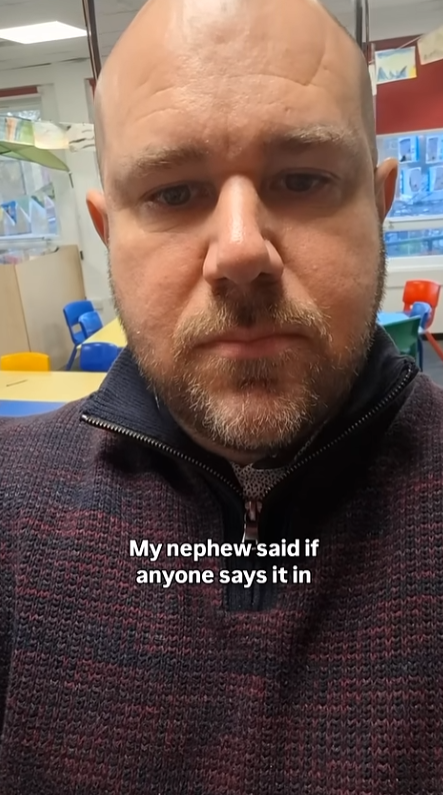
Has anyone else noticed that the numbers 6 or 7 have suddenly become the funniest thing on Earth? A few weeks ago—on a totally normal Monday—a child in my class asked a question and the answer just happened to be six or seven. I responded, moved on…and the whole class burst out laughing. I stood there confused, wondering what on earth I had just missed!
요즘 숫자 6이나 7이 갑자기 제일 웃긴 유행이 된 걸 느낀 사람 있나요? 몇 주 전 완전히 평범한 월요일, 우리 반 아이가 질문을 했고 답이 우연히 6이나 7이었어요. 그냥 말하고 지나갔는데 반 아이들이 갑자기 폭소를 터뜨리더라고요. 저는 대체 뭘 놓친 건지 정말 어리둥절했어요.

At first, I thought it was just one class being silly, but then I walked into my next lesson—and it happened again. Same kind of question, same answer, same totally random laughter. At this point I started to wonder if there was some inside joke I wasn’t invited to, or if TikTok had created yet another mysterious trend teachers have to pretend to understand.
처음에는 그냥 우리 반만 장난치는 줄 알았는데, 다음 수업에 들어가니까 또 똑같은 일이 벌어졌어요. 비슷한 질문, 같은 답, 그리고 또 웃음. 이제는 제가 모르는 비밀 농담이 있는 건지, 아니면 또 티케팅에서 나온 유행인지 의심이 들기 시작했죠.

It’s gone so far that some schools are actually making rules about it. My own nephew told me that if anyone says “6” or “7” in his school, they have to write out both multiplication tables as punishment. Imagine being a kid and desperately trying NOT to say a number—especially one that appears in, well, basically every maths question ever.
이제는 학교에서 규칙까지 만들 정도예요. 제 조카 말로는 학교에서 “6”이나 “7”이라는 말을 하면 구구단을 둘 다 적는 벌을 받는다네요. 생각해 보세요, 거의 모든 수학 문제에 등장하는 숫자를 안 말하려고 애쓰는 초등학생들… 얼마나 웃긴 상황인가요?

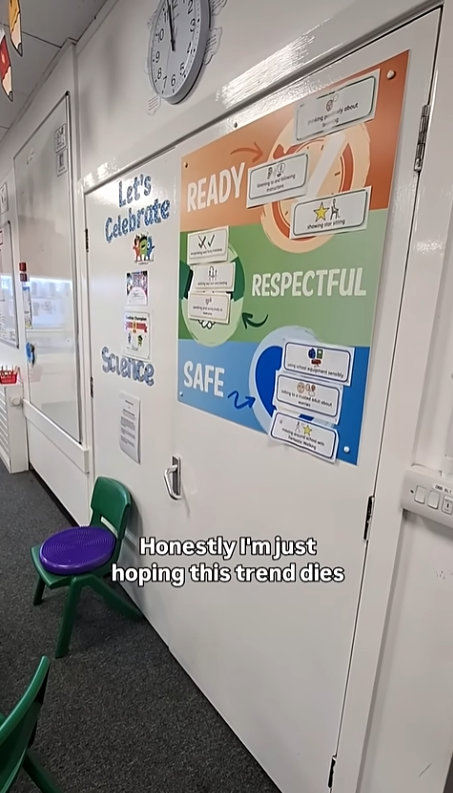
Honestly, I’m hoping this trend dies out soon and doesn’t get replaced by something even stranger. Kids are unpredictable, and school humour has a life of its own, but I’m crossing my fingers that after Christmas break we all just quietly move on. Maybe by January, six and seven can go back to being ordinary numbers again!
솔직히 말하면 이 유행이 빨리 끝났으면 좋겠어요. 그리고 더 이상한 걸로 바뀌지 않기를 바라고요. 아이들 유머는 정말 예측할 수 없지만, 크리스마스가 지나면 다 같이 조용히 잊어버렸으면 합니다. 내년 1월쯤에는 6과 7이 그냥 다시 평범한 숫자가 되었으면 좋겠어요! ✨

Previous
Previous

14. What do British kids call their teachers?

Next
Next

12. Teaching critical thinking using votes for schools