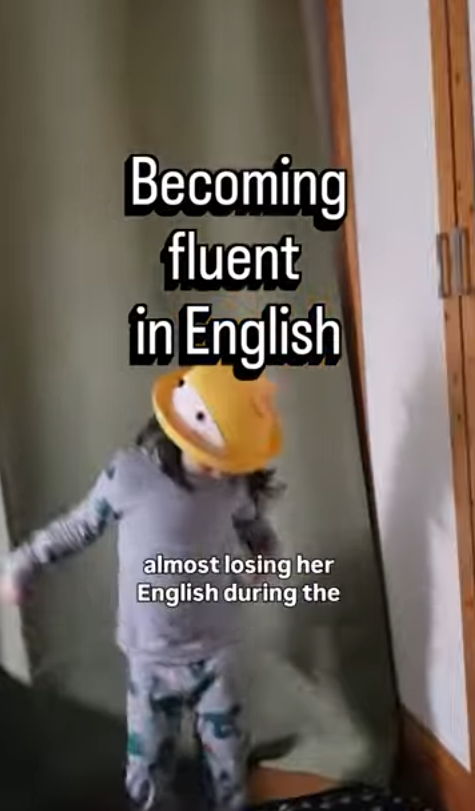
37. Becoming Fluent in English

How did my daughter manage to catch up after almost losing her English during the pandemic? She spent the first eight years of her life in South Korea, and the plan had always been for her to return to the UK for school. Then, like for so many families, the pandemic disrupted everything.

팬데믹 기간 동안 거의 영어를 잃다시피 했던 딸은 어떻게 다시 따라잡을 수 있었을까? 딸은 생애 첫 8년을 한국에서 보냈고, 원래 계획은 영국으로 돌아가 학교에 다니는 것이었다. 하지만 많은 가정이 그랬듯이 팬데믹이 모든 계획을 바꿔 놓았다.

At home, I always spoke to her in English, but over time she started responding more and more in Korean. Gradually, her English weakened, and it became clear that she was losing confidence in using it. This was worrying, especially knowing she would eventually need to function fully in an English-speaking school.

집에서는 나는 늘 영어로 말했지만, 딸은 점점 한국어로 대답하기 시작했다. 시간이 지나면서 영어 실력은 눈에 띄게 약해졌고, 영어를 사용하는 데 자신감도 잃어 가는 것이 보였다. 언젠가는 영어 환경의 학교에 적응해야 한다는 점에서 걱정이 커질 수밖에 없었다.

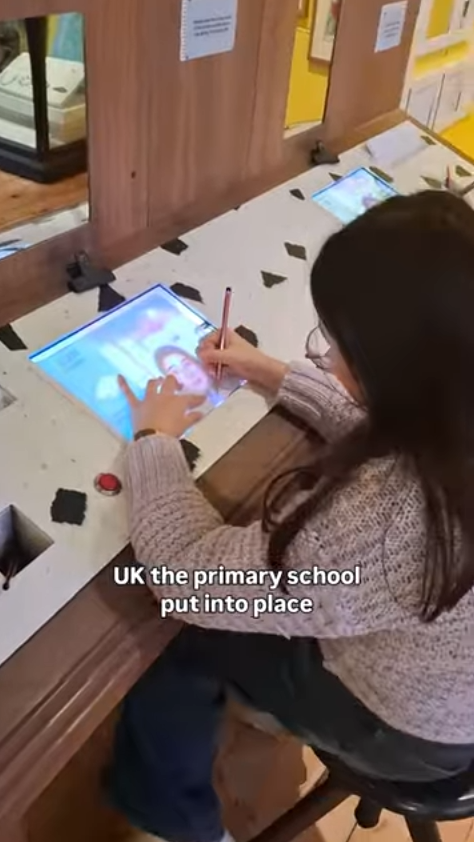
When we finally returned to the UK, her primary school quickly put interventions in place. She was more open to what the teachers asked her to do, and she received focused support in phonics and literacy for two years, alongside well-being support to help her emotionally adjust.

마침내 영국으로 돌아왔을 때, 초등학교에서는 곧바로 지원 프로그램을 마련해 주었다. 딸은 교사들의 요구에 비교적 잘 따랐고, 2년 동안 파닉스와 읽기·쓰기 수업을 집중적으로 받는 동시에 정서적 적응을 돕는 웰빙 지원도 함께 받았다.

You can’t ignore the emotional side of settling into a new culture, especially for a child. Now that she’s in secondary school, she’s almost fully caught up and truly thriving. It hasn’t been an easy journey, but with the right support, progress was possible. What extra help has your child needed?

새로운 문화에 적응하는 과정에서 감정적인 부분을 무시할 수는 없다. 특히 아이에게는 더욱 그렇다. 지금 딸은 중등학교에 다니며 거의 완전히 따라잡았고, 학교생활을 잘 해내고 있다. 쉽지 않은 여정이었지만, 적절한 지원 덕분에 성장이 가능했다. 여러분의 아이는 어떤 추가적인 도움이 필요했을까?

Previous
Previous

38. High school friends annual reunion.

Next
Next

36. Teaching Shakespeare’s Macbeth