64. Do you have a question?

One of my favourite moments in any English lesson is when a student asks a really good question. It tells me they're engaged, curious, and thinking beyond simply completing the task. In an English as an Additional Language (EAL) classroom, those questions can be about almost anything. Sometimes they're about grammar or vocabulary, but just as often they're about British culture, everyday expressions, or why native speakers say something in a particular way. Those are the moments when real learning begins.

제가 영어 수업에서 가장 좋아하는 순간 중 하나는 학생이 정말 좋은 질문을 할 때입니다. 그런 질문은 학생이 단순히 과제를 끝내려는 것이 아니라 적극적으로 참여하고, 호기심을 가지며, 더 깊이 생각하고 있다는 것을 보여 줍니다. 영어를 추가 언어(EAL)로 배우는 교실에서는 질문의 범위가 매우 넓습니다. 문법이나 단어에 관한 질문도 있지만, 영국 문화, 일상 표현, 또는 원어민이 왜 특정한 표현을 사용하는지에 대한 질문도 자주 나옵니다. 바로 그런 순간에 진짜 배움이 시작됩니다.

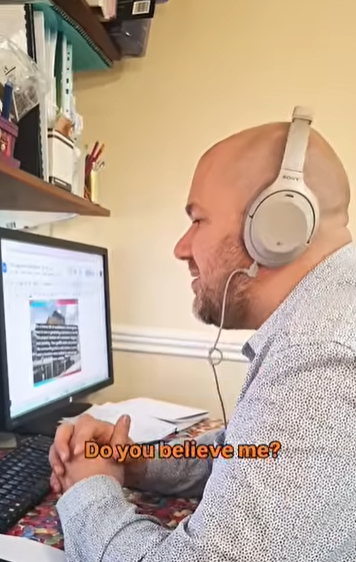
At the end of the first lesson with a new class, I often invite students to ask me anything they'd like to know. After all, we've only just met, so it's a great opportunity to start building a professional relationship. Some students ask where I'm from or why I became a teacher. Others ask about life in England, British schools, or my favourite food. Occasionally, someone tries to catch me out by asking my age. I might jokingly say, "I'm 21." When they laugh and say they don't believe me, I ask, "Why not?" One student replied, "Because you're good at maths!" I couldn't help laughing. Then I asked, "What's 88 divided by 2?" Thankfully, they knew the answer!

새로운 반과 첫 수업을 마칠 때 저는 학생들에게 저에게 무엇이든 질문해 보라고 합니다. 우리는 이제 막 만났기 때문에 서로를 알아가며 좋은 관계를 시작할 수 있는 좋은 기회이기 때문입니다. 어떤 학생은 제가 어디에서 왔는지, 왜 교사가 되었는지를 묻습니다. 또 어떤 학생은 영국 생활이나 영국 학교, 또는 제가 가장 좋아하는 음식에 대해 질문합니다. 가끔은 제 나이를 물어보며 저를 시험해 보려는 학생도 있습니다. 저는 장난스럽게 "21살입니다."라고 대답하기도 합니다. 학생들이 웃으며 "안 믿어요!"라고 하면 저는 "왜?"라고 되묻습니다. 한 학생은 "수학을 잘하시잖아요!"라고 대답했습니다. 저도 웃음을 참을 수 없었습니다. 그래서 "88 나누기 2는 얼마일까요?"라고 물었고, 다행히 정답을 맞혔습니다!

The best questions aren't always the most difficult ones. They're the questions that help students understand the language more deeply or help teachers understand their students better. When learners are curious enough to ask questions, they become active participants instead of passive listeners. That's one of the biggest differences between simply attending a lesson and truly learning from it.

가장 좋은 질문이 반드시 가장 어려운 질문인 것은 아닙니다. 언어를 더 깊이 이해하게 해 주거나, 교사가 학생을 더 잘 이해하도록 도와주는 질문이 좋은 질문입니다. 학생들이 호기심을 가지고 질문할 때, 그들은 단순히 듣기만 하는 사람이 아니라 적극적으로 참여하는 학습자가 됩니다. 이것이 단순히 수업에 참석하는 것과 진정으로 배우는 것의 가장 큰 차이 중 하나입니다.

So don't be afraid to ask questions in class. Your question might help not only you but everyone else in the room. Curiosity is one of the most valuable qualities any learner can have. What is the best question you've ever asked a teacher—or the best question a student has ever asked you? I'd love to hear your stories in the comments below. Have a great day!

그러니 수업 시간에 질문하는 것을 두려워하지 마세요. 여러분의 질문은 여러분뿐만 아니라 교실에 있는 다른 사람들에게도 도움이 될 수 있습니다. 호기심은 어떤 학습자에게나 가장 소중한 자질 중 하나입니다. 여러분이 선생님께 했던 최고의 질문은 무엇인가요? 또는 여러분이 교사라면 학생에게서 들었던 최고의 질문은 무엇이었나요? 댓글로 여러분의 이야기를 들려주세요. 좋은 하루 보내세요!

Previous
Previous

65. Talking on vacation (holiday)

Next
Next

63. A memorable teacher for me was…